
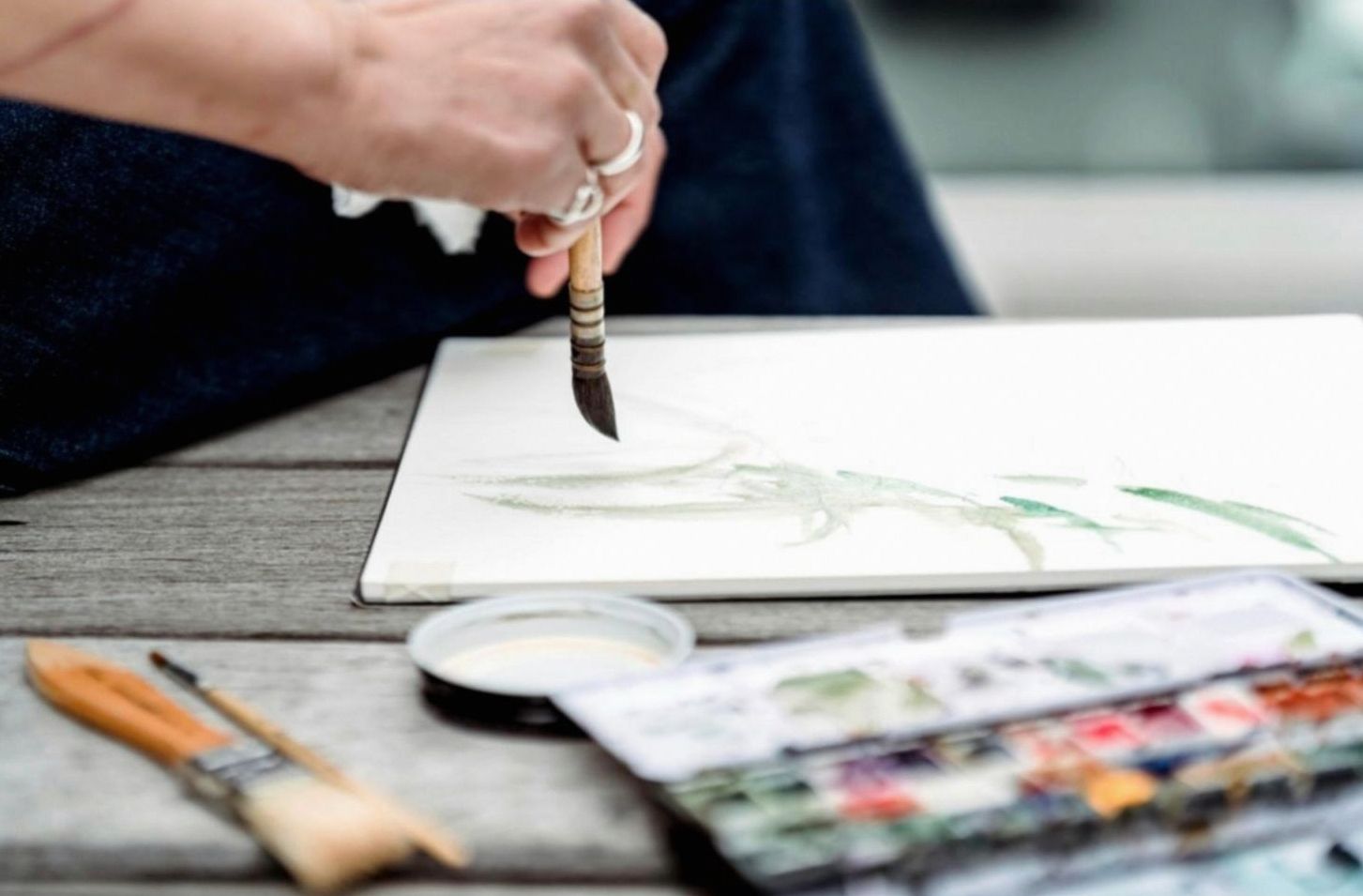
Where observation meets expression
We built Purewonderlife to give sketchers a place where technique matters as much as vision. Every lesson reflects years of teaching artists who want to draw what they see, not what they think they see.
Our methods strip away guesswork. You learn to measure angles, judge proportions, and build confidence through structured practice that respects your pace and your goals.
Teaching sketching since 2016
We started Purewonderlife after watching too many students struggle with vague advice about "feeling the form" or "finding your style." Drawing from observation requires specific skills: measuring relationships between objects, understanding perspective shifts, controlling line weight to suggest depth.
Our founder, Elspeth Kirkwood, spent eight years developing a curriculum that breaks complex scenes into manageable steps. She noticed that most sketching courses either oversimplify basics or overwhelm learners with theory. We focus on the middle ground—practical techniques you can apply immediately, explained clearly enough that you understand why they work.
Every module addresses a specific challenge sketchers face: capturing movement without losing structure, rendering texture without overworking surfaces, choosing what to include when time is limited. Students progress through exercises designed to build muscle memory and visual judgment simultaneously.
We teach from Maroubra, but our platform reaches students across continents. Geography doesn't limit access to quality instruction anymore. Whether you're sketching urban landscapes in Melbourne or still lifes in Manchester, the principles remain consistent.
4,200+
Students completed our core sketching program across 38 countries
126
Structured lessons covering observation, measurement, and mark-making techniques
18
Average weeks students spend mastering perspective fundamentals
92%
Of graduates report improved accuracy in their observational drawings
How we structure learning
Each course follows a deliberate sequence. We introduce concepts in order of dependency—you can't render convincing shadows until you understand how light behaves on different surfaces. Our approach prioritizes clarity over speed.
Measurement first
Before adding detail, you learn to measure relationships accurately. We teach sighting techniques that help you compare angles and proportions directly from your subject. This foundation prevents the distortions that plague most beginners.
Controlled progression
Each lesson builds on previous skills without introducing multiple new concepts simultaneously. You practice one technique until it becomes automatic before layering in the next. This prevents the cognitive overload that causes students to abandon structured learning.
Reference feedback
We provide annotated examples showing common errors and their corrections. Instead of generic encouragement, you see exactly where your proportions drift and how to recalibrate. This specificity accelerates improvement more effectively than vague praise.
Who teaches these courses
Our instructors work as practicing artists and educators. They understand the gap between knowing a technique intellectually and executing it under pressure. Each brings specific expertise—Elspeth specializes in urban sketching, Jasper focuses on figure drawing, and Nadia teaches botanical illustration. Their combined experience shapes a curriculum that addresses real challenges students encounter.

Elspeth Kirkwood
Developed the core curriculum after teaching sketching workshops across Australia for twelve years. Specializes in breaking down complex architectural scenes into manageable drawing exercises.

Jasper Thornhill
Trains students to capture gesture and proportion in timed sessions. His methods emphasize quick measurement checks that maintain accuracy even when working rapidly from life.

Nadia Okonkwo
Teaches precision rendering of natural forms. Her lessons focus on observing subtle variations in organic shapes and translating them into accurate line work without losing spontaneity.
Student progress metrics
We track specific skill improvements throughout each course. These measurements compare students' initial assessment sketches with their final project submissions, showing concrete development in accuracy and technique application.