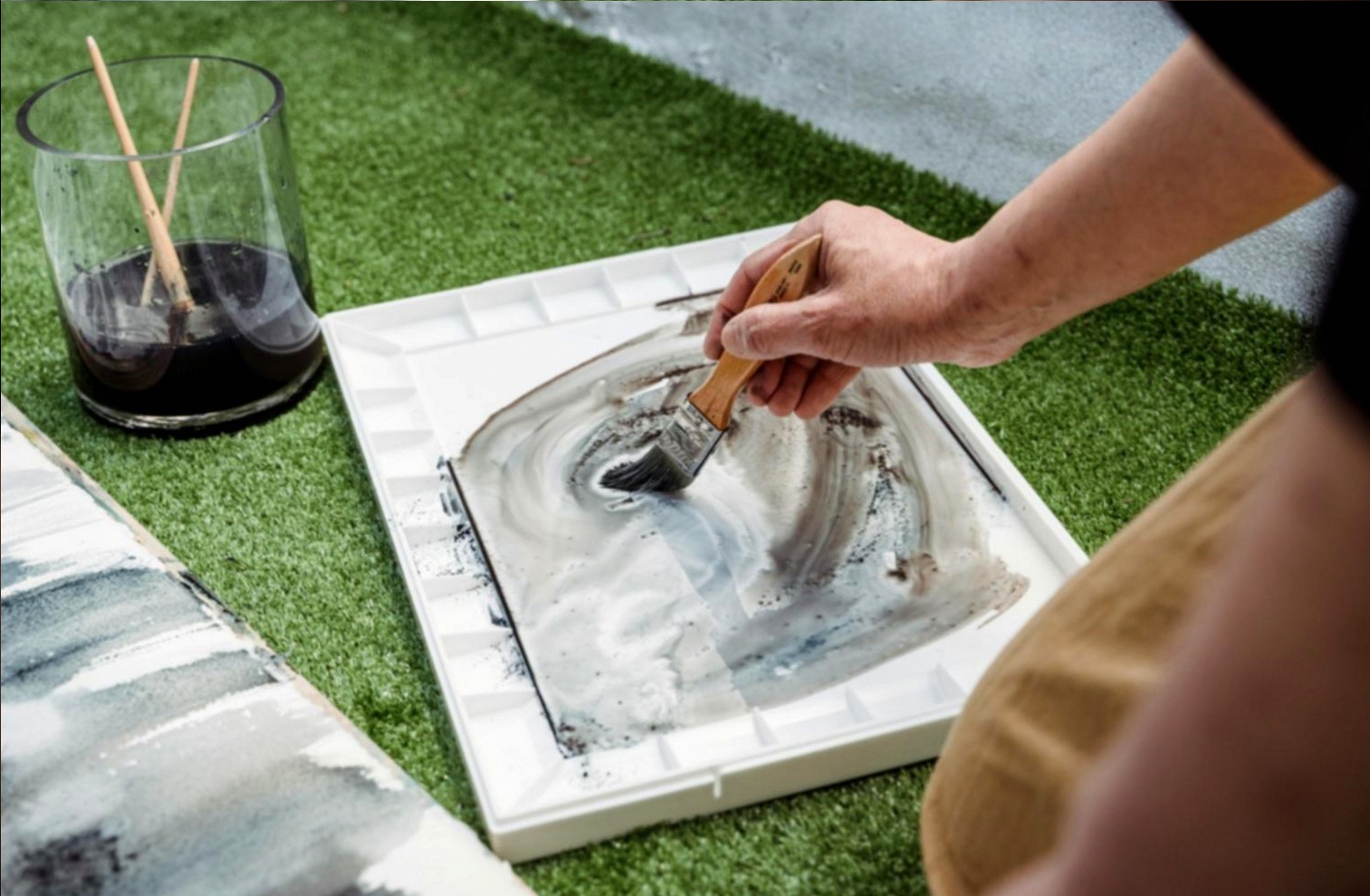
How we work with individual learners
Every artist develops differently. Some need structured feedback on technique, others want help finding their unique style. Our consultation approach adapts to where you are and what you're trying to achieve with your sketching practice.
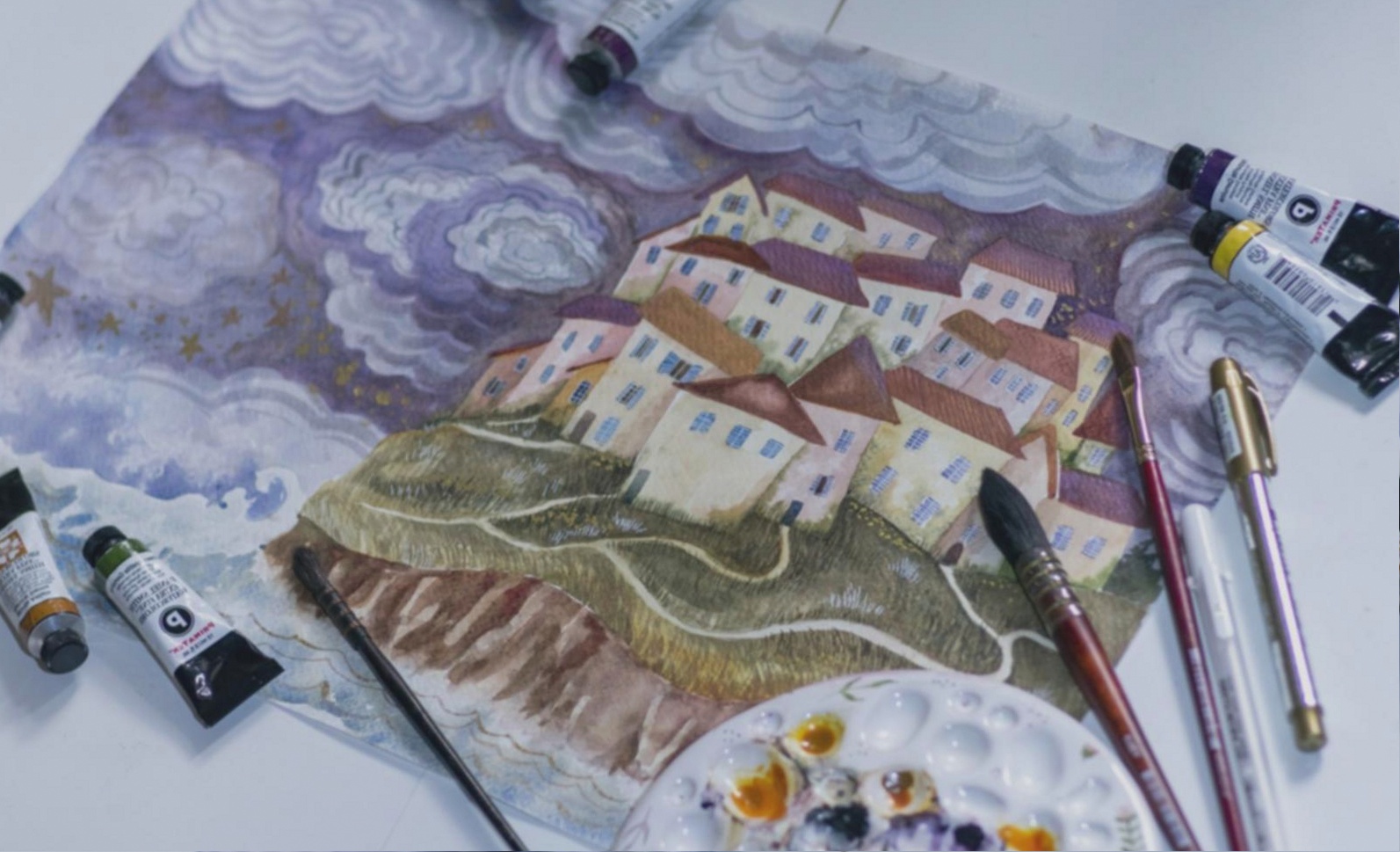
What happens during a session
We don't follow a script. Each consultation starts with your current work and the specific challenges you're facing. Whether you're stuck on perspective, struggling with gesture drawing, or trying to develop a more confident line, we address what matters to you right now.
Review and analysis
You share recent sketches and we examine them together. We look at what's working, identify patterns in your approach, and pinpoint specific areas where small adjustments could make a significant difference.
Targeted exercises
Based on what we find, we design exercises that address your specific needs. These aren't generic drills—they're built around the exact problems showing up in your work, whether that's proportion, shading, or compositional balance.
Practice framework
Before you leave, we establish a clear practice plan. You'll know exactly what to work on, how long to spend on each exercise, and what to watch for as you develop. No vague advice, just actionable steps.
We focus on what you can control
Natural talent matters less than consistent observation and deliberate practice. During consultations, we break down complex techniques into manageable components you can actually work with. You'll understand not just what to do, but why certain approaches produce better results.
Individual pacing
Some students progress quickly through fundamentals, others need more time with basic forms. We adjust the difficulty and complexity based on your actual skill development, not arbitrary timelines.
Material guidance
The tools you use affect your results. We help you choose pencils, paper, and other materials appropriate for your current skill level and the specific effects you're trying to achieve.
Portfolio development
If you're building a body of work, we discuss which pieces demonstrate your strengths and which areas need more attention. This helps you make informed decisions about what to include and what to keep practicing.
What you gain from regular consultations
Most students notice improvement within their first few sessions, not because we have secret techniques, but because focused feedback helps you see your own work more clearly. You'll start recognizing mistakes before they become habits and understanding why certain approaches work better than others.
Consultations work best when scheduled consistently. Weekly or fortnightly sessions give you enough time to practice between meetings while maintaining momentum. We track your progress over time, which helps identify patterns you might miss on your own.
Beyond technical skills, you'll develop a more critical eye for your own work. This self-assessment ability matters more than any single technique because it allows you to continue improving independently once formal guidance ends.